
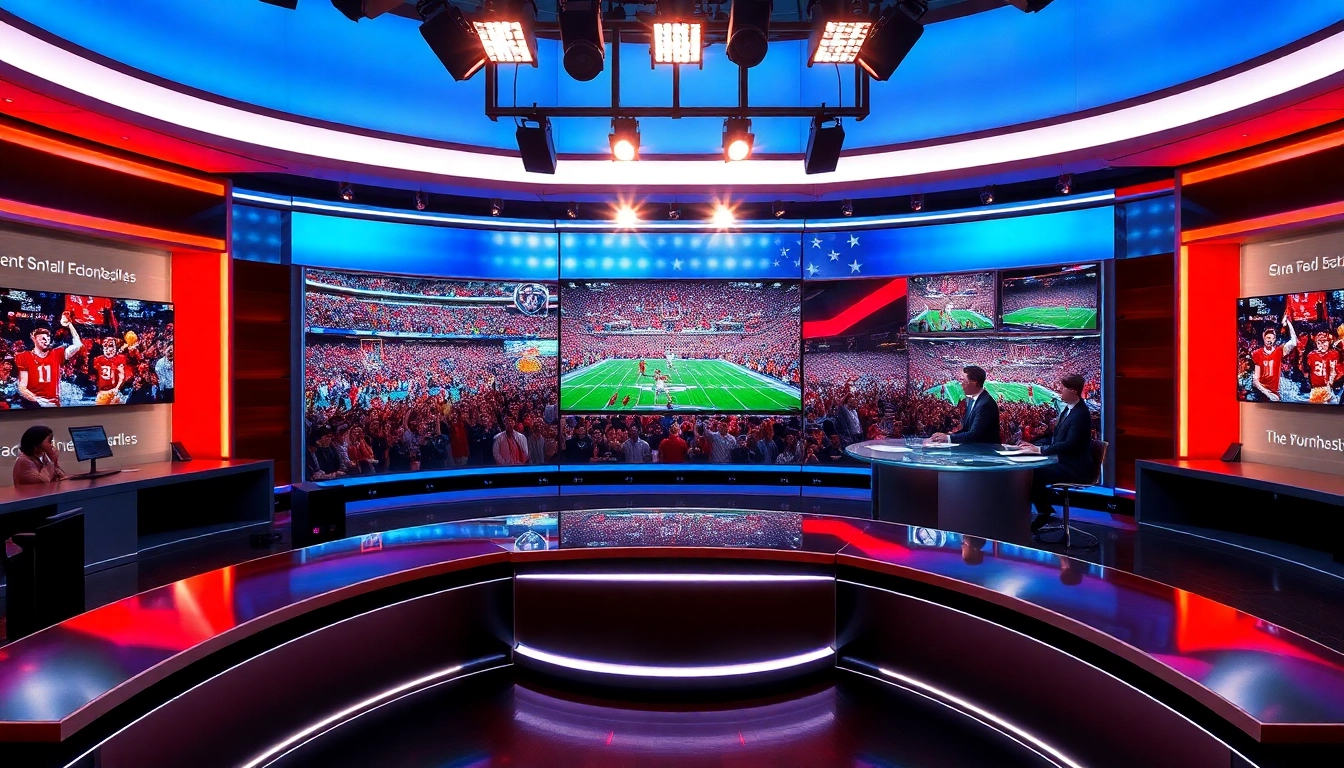
Understanding Sports Broadcasting
What is Sports Broadcasting?
Sports broadcasting is the technique of transmitting sports events to a diverse audience using various media platforms. This can include traditional television, radio, and digital streaming services. The essence of sports broadcasting is to bring the excitement of live sports into the homes of viewers globally, allowing fans to engage with their favorite teams and athletes. It incorporates expert commentary, analysis, and real-time updates, enhancing the viewership experience, and as such has become an essential component of the sports industry. To understand its full impact, one must delve into the intricate mechanics behind Sports Broadcasting, examining its historical context and the key players involved.
The Evolution of Sports Broadcasting
The origins of sports broadcasting can be traced back to the early 20th century when radio technology began to transmit sports events live. This revolutionary development allowed fans to follow their favorite sports even if they could not attend events in person. Over the decades, technological advancements led to the introduction of television broadcasts, igniting a new era of viewership. The 1960s marked a pivotal moment with the first live televised Olympic Games, demonstrating the vast potential of sports broadcasting. The integration of color television, satellite technology, and the internet subsequently transformed the landscape, giving rise to digital platforms that cater to modern audiences. Today, we are witnessing an ongoing evolution with personalized content delivery and interactive viewing experiences, reshaping how sports content is consumed.
Key Roles in Sports Broadcasting
Within the realm of sports broadcasting, several key roles contribute significantly to the overall execution of live sports events. These include:
- Commentators: The voices of sports broadcasting, commentators provide play-by-play analysis, keeping viewers engaged with real-time updates and insights.
- Producers: They oversee the overall production of live broadcasts, ensuring all technical aspects run smoothly and that storytelling is coherent.
- Cameramen: Responsible for capturing key moments of the game, cameramen utilize various techniques to highlight the intensity and excitement of sporting events.
- Analysts: Offer post-game analysis and insights, breaking down plays and performances to provide viewers with a deeper understanding of the sport.
- Social Media Managers: They update fans with live tweets, posts, and community interactions, enhancing engagement across multiple platforms.
Essential Technologies in Sports Broadcasting
Types of Equipment Used
Sports broadcasting relies on advanced technology and equipment to deliver seamless and high-quality broadcasts. The necessary gear includes cameras, microphones, and broadcasting software. Here are some critical types of equipment:
- Cameras: From traditional broadcasting cameras to drones capable of aerial shots, the visual capture is crucial in delivering immersive experiences.
- Microphones: High-quality microphones are necessary for capturing clear commentary and sound effects from the environment, enhancing the auditory experience.
- Switchers: Used to change camera feeds easily during live broadcasts, ensuring viewers never miss a pivotal moment.
- On-field Graphics Systems: Allow broadcasters to overlay statistics, player information, and real-time scoring during the game.
- Streaming Equipment: Essential for delivering content via online platforms, enabling access by a globally dispersed audience.
The Role of Streaming Services
Streaming services have revolutionized the landscape of sports broadcasting, offering fans access to live and on-demand content at their convenience. Platforms like OTT (Over-The-Top) services have minimized the barriers between viewers and their favorite sports, allowing for tailored subscriptions and interactive features. Unlike traditional cable services, which offer limited choices, streaming services offer packages that let viewers select specific channels or sports they want to follow. Additionally, these services utilize data analytics to personalize viewing experiences, providing recommendations based on users' preferences. This adaptation to consumer behavior has made streaming a cornerstone of modern sports broadcasting.
Data Analytics in Broadcasting
Data analytics plays a pivotal role in sports broadcasting by providing actionable insights that enhance viewer engagement and content relevance. From tracking player statistics to analyzing game strategies, data analytics helps broadcasters develop a comprehensive narrative for each game. By using advanced metrics and artificial intelligence, teams and broadcasters can dive deeper into performance analytics and fan engagement patterns. This data not only refines the storytelling aspect of broadcasts but also aids advertisers by measuring the effectiveness of their campaigns through viewer engagement metrics. As a result, data-driven content has become a crucial component of successful sports broadcasts.
Creating Engaging Content for Sports Broadcasting
Storytelling Techniques
The essence of captivating sports broadcasting lies in the art of storytelling. Effective storytelling transcends mere play-by-play commentary; it invokes emotions and connects fans to the game and players. Techniques include incorporating backstories about players, exploring rivalries, and building narratives around critical moments within a game. Successful broadcasters weave these elements seamlessly into their broadcasts, allowing audiences to invest emotionally and psychologically in the outcomes. Utilizing diverse storytelling forms, like interviews, a behind-the-scenes look, and player stats, creates a multi-dimensional experience that keeps viewers engaged.
Visual Graphics and Statistics
Visual elements play a significant role in sports broadcasting. Infographics, player stats, and real-time graphics provide depth to the narrative unfolding onscreen. By displaying relevant statistics such as player performance, team comparisons, and game-specific insights, broadcasters can enhance viewers’ understanding of the sport. Moreover, dynamic graphics make broadcasts visually appealing, leading to higher viewer retention. The skillful use of visual aids not only draws attention but also translates complex data into easily digestible information, fostering a well-informed viewing audience.
Interacting with Fans
With the advent of social media and interactive platforms, audience engagement has become more accessible than ever. Broadcasters are increasingly utilizing real-time social media updates, polls, and live Q&As during broadcasts to foster a sense of community among fans. This interaction allows sports broadcasters to create dialogues that resonate with viewers, making them feel integral to the experience. The online buzz generated provides insights into fan sentiments, which broadcasters can leverage to improve content and strengthen audience loyalty.
Challenges in Sports Broadcasting
Competition and Market Saturation
The landscape of sports broadcasting is marked by fierce competition, with numerous networks and platforms striving to capture viewer attention. This saturation poses a challenge to content creators, who must consistently innovate to maintain viewer engagement. Differentiating content through niche programming or exclusive interviews can provide a competitive edge. Additionally, strategic partnerships with teams and leveraging unique storytelling viewpoints can help broadcasters navigate market saturation, attracting a loyal target audience amidst widespread competition.
Changing Consumer Preferences
As consumer preferences shift towards personalized and on-demand content, traditional sports broadcasting faces significant challenges. The decline in cable subscriptions indicates a need for broadcasters to adapt their strategies to meet changing viewer expectations. Innovative formats, such as highlights and accessible streaming options, catered to younger audiences are becoming increasingly vital. Broadcasters must continually study audience metrics and feedback to tailor content appropriately. Emphasizing flexibility in viewing options can help retain viewers as their consumption habits evolve.
Technological Challenges
Broadcasting technologies are advancing rapidly, and keeping up with these changes can be daunting. From ensuring high-quality transmissions to addressing data privacy concerns, sports broadcasters must navigate multiple technological challenges. Investments in high-capacity servers, improved internet connectivity, and security measures are crucial for sustaining quality broadcasts. Moreover, training staff to effectively use new technologies is an ongoing requirement. By proactively addressing these challenges, broadcasters can improve their operational efficiency and the overall viewer experience.
Future Trends in Sports Broadcasting
Impact of Virtual Reality
Virtual reality (VR) is poised to revolutionize sports broadcasting by offering immersive viewing experiences that transport fans to the heart of the action. With VR technology, viewers can choose their perspective, enabling them to experience a game as if they were present at the venue. This next-level engagement could drastically enhance fan loyalty and open new revenue streams for broadcasters. As technology advances, integrating VR into mainstream broadcasting is likely to become increasingly commonplace, setting new standards for viewer expectations.
Integration of Social Media
The seamless integration of social media into sports broadcasting is fostering new avenues for fan interaction and engagement. On platforms like Twitter, Instagram, and Facebook, broadcasters can present live updates, share highlights, and foster community conversations. The interactive nature of social media can lead to increased viewer loyalty, dictated by a shared fan experience. Future trends suggest that we will see an even deeper symbiosis between broadcasting and social platforms, enabling real-time interaction, fan-driven content, and enhanced viewer participation in the narrative.
Predictions for the Next Decade
As we look towards the future of sports broadcasting, several predictions can be made based on evolving trends. Firstly, a surge in personalized content delivery tailored to individual viewer preferences is expected. Additionally, advancements in AI and machine learning will refine data analytics further, enabling broadcasters to predict trends and enhance viewer engagement. Furthermore, we can anticipate the rise of niche sports channels catering to specific audience segments, allowing for deeper, more engaged communities. Overall, the next decade will likely see a more interactive, inclusive, and technology-driven sports broadcasting environment.
Frequently Asked Questions
What is sports broadcasting?
Sports broadcasting is the transmission of sports events through various media like television, radio, and online platforms, allowing fans to watch live or recorded content.
How has technology changed sports broadcasting?
Technology has introduced higher quality cameras, streaming capabilities, and interactive elements, improving viewer experiences and engagement significantly over the years.
What role do commentators play in sports broadcasting?
Commentators provide live analysis and insights during broadcasts, helping to inform viewers about game developments and enhancing the overall viewing experience.
How important is audience engagement for broadcasters?
Audience engagement is crucial as it fosters loyalty, increases viewership, and can even contribute to revenue through targeted advertising based on viewer preferences.
What is the future of sports broadcasting?
The future will likely see increased use of virtual reality, personalized content, and deeper integration with social media, transforming viewer experiences and engagement.